Showing posts with label tradition. Show all posts

Friday, May 27, 2011

The Big Fat Indian Wedding

Everyone has varied opinions on weddings. Some love the little traditions and rituals that come with weddings. Some get bored sitting through the long ceremonies. Some are simply grateful for the food! Whatever a person’s opinion might be, one cannot argue with the fact that a wedding packages all the traditions and culture of a country in it.

Indian weddings, like in any other country, vary from state to state, even city to city. And each state brings with it a new tradition, a new ceremony.

A traditional Indian wedding, in its most basic form, consists of three phases. The pre-wedding ceremonies suck as the ‘mehndi’ and ‘sangeet’. These ceremonies build up to the wedding in a way. You’ll always hear brides saying they don’t really feel like they’re getting married until the day of their ‘mehndi’. The point of the pre-wedding rituals is to simply set the ball rolling. Families get together and have fun. Dance and music is an essential part of these festivities.

After the pre-wedding phase, comes the actual wedding day. The wedding day brings with it the ‘baraat’ that is, the groom’s side of the family being welcomed to the wedding venue by the bride’s family. The ‘varmaala’ stage of the wedding is the exchanging of garlands between the bride and groom. Towards the end of the wedding ceremonies one will see the ritual of ‘satphere’, that is the seven rounds around the fire by the bride and groom, each round; a vow between the two.

The third phase is that of the ‘kanyadan’ and the ‘vidaai’. The ‘kanyadan’ refers to the ritual wherein the father hands his daughter to her groom. The ‘vidaai’ is the sad part of the wedding, where the bride leaves behind her family, as she becomes the part of a new one.

Yes, the Indian wedding is full of small rituals. They’re the key to a memorable wedding!

Click Here to enroll at SIFIL and learn a new language!

Friday, January 21, 2011

रूचकर जेवण!

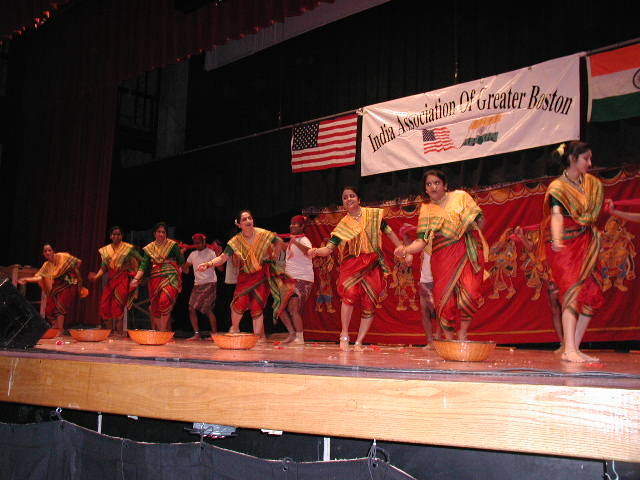
The state of Maharashtra is synonymous with a lot of different colourful cultural costumes, a variety of cuisines, dance forms and music. Men in Maharashtra are traditionally known to wear a dhoti  and the women traditionally wear a saree and a choli.

The various famous dance forms are Lavani and Koli which are rhythmic dance movements accompanied by beautiful mesmerising music. The other kinds of dance forms show of the culture by telling stories through dance. The dance form of Povda, is a form of dance that speaks through movement – the achievements of Chhatrapati Shivaji. The various other dance forms are danced to show respect to different gods
.
The music in Maharashtra would be incomplete without Natya Sangeet. It is classical and semi-classical music and literally means “dramatic music”. Maharashtra is also known for its folk songs and poems. A town in the Sangli district – Miraj – is known as the “town of music” as the sitar was made in this town.

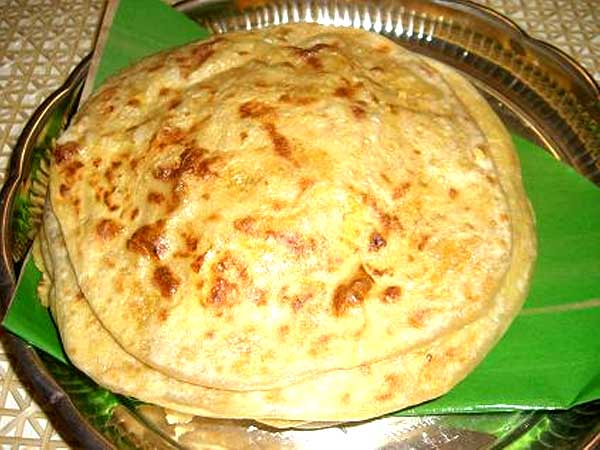
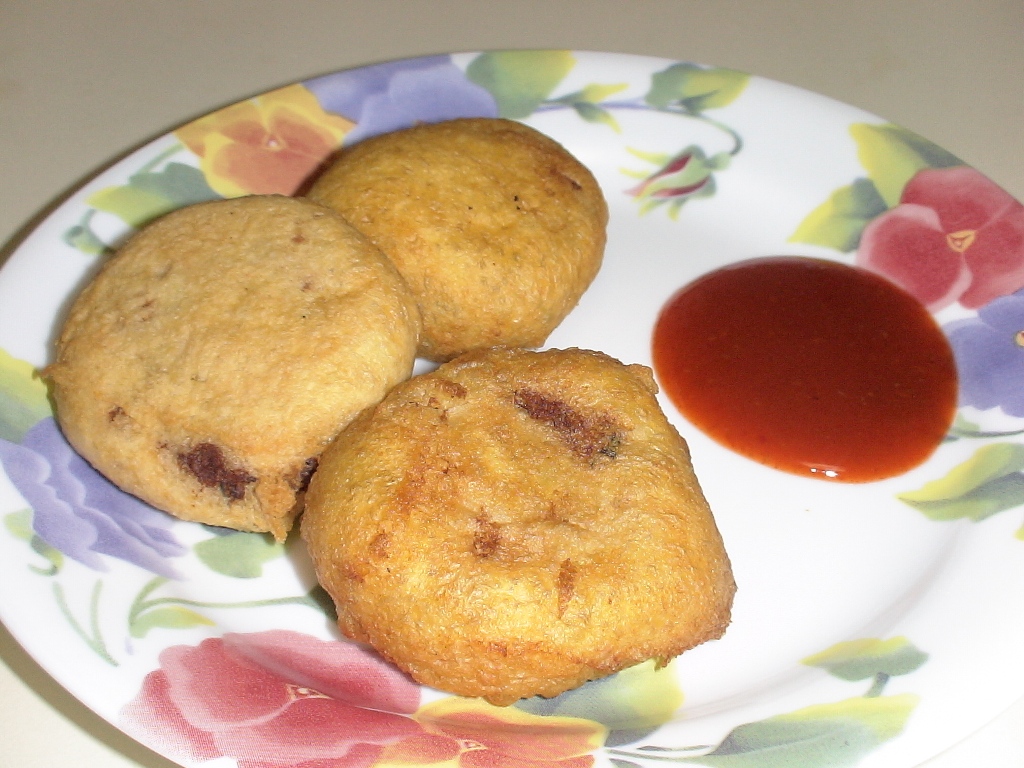
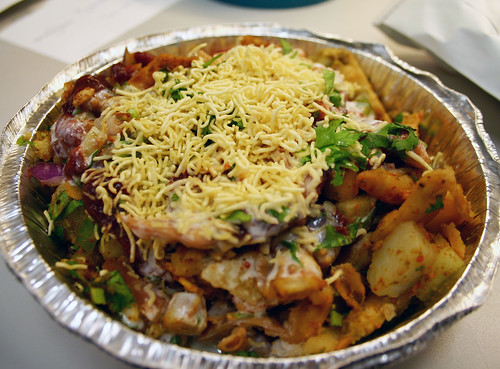
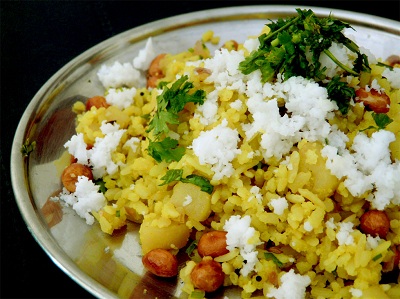
Maharashtrian food comprises of Konkani and Varhadi cuisine. The Varhadi cuisine is focused on central Maharashtra. The most famous dishes include puran poli – which is a chapati which has been stuffed with boiled chickpeas, jaggery and cardomom. Modak is a sweet dumpling filled with jaggery and coconut and Batata vadas are equivalent to potato fritters. Of course, who can forget the famous chaat that Maharashtra is known for. The others are sabudana khichdi, poha and shrikhand.

Tickle your taste buds with authentic Maharashtrian food after an insightful Marathi language class at SIFIL-ELTIS.

Wednesday, January 19, 2011

Bom apetite!

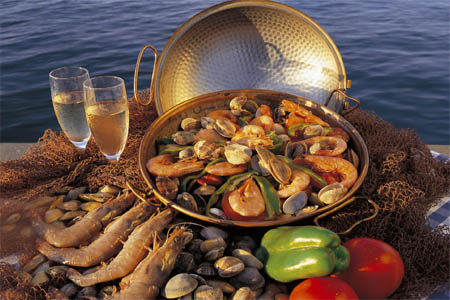
A Portuguese menu comprises mostly of seafood and shellfish due to Portugal being a country that practices fishing on a large scale. The national dish of Portugal is Bacalhau which is the cod fish after being dried and salted. The Portuguese are immensely fond of cinnamon and curry powder! The history behind bacalhau is quite interesting. Fisherman used to dry their fish and then salt it so that it doesn’t go bad and lasts much longer. Bacalhau can be cooked in 365 ways! A new kind for everyday of the year. That is a lot of fish in one year!

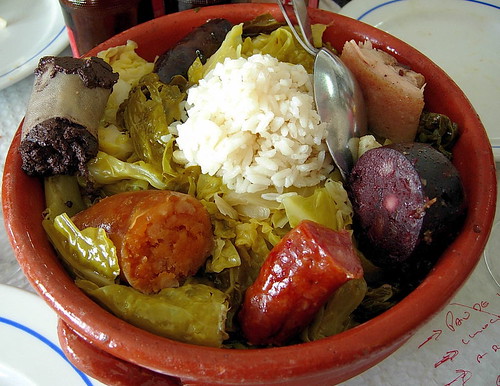
Arroz de marisco is also another popular seafood dish which comprises of a heavy dose of seafood mixed with rice. Cozido à portuguesa is a national dish that is prepared with various varieties of meat and a lot of vegetables and made into a thick stew.

A famous ceremony seen in most households is the killing of the pig and then preserving it. It involves, smoking the ham, preserving various part of the pig in salt.

Lunch, is a bigger affair in Portugal in comparison to dinner. People spend over two hours at lunch and people eat at leisure. Caldo Verde is another famous soup which comprises of potato, cabbage and pieces of sausage.

For those with a sweet tooth, the regular desserts are cinnamon flavoured rice pudding, flan, caramel custard and certain kinds of cheese – the most famous being queijo da serra which is prepared from sheep or goat’s milk. Portugal is also known for its world class pastries. These patisseries were opened by nuns who run them to have a source of income. Pastel de nata is a famous dessert which is custard sprinkled with cinnamon.
Portuguese bread is delicious! Always try the bread placed on the table of a Portuguese restaurant!

All this food talk has made me really hungry! Both for the knowledge of the language and the cuisine!
Enroll yourself at ELTIS-SIFL’s for their Portuguese classes today and take some Portugal tradition back with you!

Português

Portugal
Capital – Lisbon
Population - 11,317,192
Currency - € Euro
Religion – Christianity

Portuguese is widely spoken in both Brazil and Portugal. It is the fourth most learned language in the world! Most of Portuguese vocabulary has been got from Latin. However, here is a little trivia I’m pretty sure not many of you know – between the 9th to 13th centuries, approximately 800 words in the Portuguese language were taken from Arabic! This, continued on and a lot more words were borrowed from various other languages.

Portugal is known for its medieval castles and fort ruins that date back all the way to Roman occupation. The Portuguese are very family oriented people and familial matters always triumph over any other. They are very particular and meticulous when it comes to appearances. Your character is judged largely on the way you dress and present yourself. Thus, when in Portugal, clean up nice and good. You’ll surely create an impression!

Etiquette also plays a huge role when it comes to Portuguese culture. A standard way of greeting once you have been well acquainted with someone would be two kisses on each cheek starting from the right. This gesture is often seen as something only high profile celebrities do when they come on talk shows. However, in Europe, it is the socially accepted norm to do so! They also do not get on a first name basis with people unless they have been invited to that person’s home.

One of the most famous pieces in Portuguese literature which has been nationally recognized is Os Lusíadas – a poem about the travels of Vasco da Gama by Luís de Camões.

Portuguese classes are being conducted at SIFL-ELTIS. Along with the courses, there are also cultural experts that often come and give speeches and give you a detailed glimpse into the culture and tradition of Portugal. These sessions help you create a closer bond with the language.