Showing posts with label culture. Show all posts

Monday, July 11, 2011

La Tamborrada, Por Favor!

If you’re planning on visiting the lazy, laid back town of San Sebastian in Spain, you might need to take your ear plugs with you.

The town which is otherwise a sleepy town comes alive to the sound of a thousand beating drums on this day.
Yes, you read it right! Thousands of beating drums all day and night! Spain has always been known for its outrageous festivals. (Remember the La Tomatina!)

But this one just takes the cake!

The parade begins on the evening of 19th January at the Plaza de la Constitution and goes on till midnight the next day, in honor of their patron saint, the Donostia of San Sebastian. What you get to see is a parade of uniformed marchers through the streets of San Sebastian, beating on their drums. Loud, eh?

There is a brief break in the parade around dawn the next day. And we do mean brief. Lasts long enough for everyone to take a quick swig of brandy and a bite of churros. (Deep fried dough sweet snack dusted with sugar!)

Each team of marchers represents the various gastronomic societies of San Sebastian. We must tell you, it is a very intense competition!

The origin of this festival dates back to 1720, where rumor has it that a baker while filling barrels of water from a fountain began singing. A bunch of girls nearby began beating their own barrels as accompaniment.

That evolved into this marvelous festival you see today!

Learn more about Spanish culture and the language at SIFIL!


Tuesday, June 21, 2011

Exploring the Red Colours of the Chinese Wedding!

If you are in China and witness an event full of red colour all around, you are probably witnessing a Chinese Wedding. The theme of a Chinese wedding is red from the beginning to end. The red colour signifies love, joy and prosperity. The bride wears red, gift boxes are red, wedding decorations are red and even cash gift envelopes are red in colour.

Before the wedding, the bride is alone with a few of her close friends. This period of being alone traditionally meant for the bride to mourn the fact that she will be away from her family and friends after the wedding. During this phase, the groom’s family brings over red gift boxes for the bride. One box contains "uang susu" or 'milk money', and the others contain personal things for the bride to take her to her new home. Three days prior to the wedding, the women from the bride’s family take gifts and return gifts in red packages to the groom’s family.

The wedding date is chosen keeping in mind astrological signs. It is interesting that Chinese weddings commence at half hours, so that the couple starts a new journey at the up-swing of time and not when the clock is moving downwards.

The groom’s attire is decided by his parents. He arrives at the bride’s house and has to give money to the bride’s friends to ‘let her go’ with him. This gesture is symbolic of the groom asking for permission to take his bride. The bride and groom then leave for the wedding site together. The wedding ceremony is a close-knit affair, usually attended only by the couple’s immediate families. Just after the ceremony, the bride who honors the tradition serves tea to her in-laws in a formal ceremony. 

At the reception, the wedding cake with several layers is a symbol of the success ladder that the bride and groom climb as a couple. The reception is full of musical entertainment with meals as elaborate as up to ten courses.

A truly festive wedding!

Wish to know more about Chinese culture? Know it by learning Chinese at SIFIL!

Friday, May 27, 2011

The Big Fat Indian Wedding

Everyone has varied opinions on weddings. Some love the little traditions and rituals that come with weddings. Some get bored sitting through the long ceremonies. Some are simply grateful for the food! Whatever a person’s opinion might be, one cannot argue with the fact that a wedding packages all the traditions and culture of a country in it.

Indian weddings, like in any other country, vary from state to state, even city to city. And each state brings with it a new tradition, a new ceremony.

A traditional Indian wedding, in its most basic form, consists of three phases. The pre-wedding ceremonies suck as the ‘mehndi’ and ‘sangeet’. These ceremonies build up to the wedding in a way. You’ll always hear brides saying they don’t really feel like they’re getting married until the day of their ‘mehndi’. The point of the pre-wedding rituals is to simply set the ball rolling. Families get together and have fun. Dance and music is an essential part of these festivities.

After the pre-wedding phase, comes the actual wedding day. The wedding day brings with it the ‘baraat’ that is, the groom’s side of the family being welcomed to the wedding venue by the bride’s family. The ‘varmaala’ stage of the wedding is the exchanging of garlands between the bride and groom. Towards the end of the wedding ceremonies one will see the ritual of ‘satphere’, that is the seven rounds around the fire by the bride and groom, each round; a vow between the two.

The third phase is that of the ‘kanyadan’ and the ‘vidaai’. The ‘kanyadan’ refers to the ritual wherein the father hands his daughter to her groom. The ‘vidaai’ is the sad part of the wedding, where the bride leaves behind her family, as she becomes the part of a new one.

Yes, the Indian wedding is full of small rituals. They’re the key to a memorable wedding!

Click Here to enroll at SIFIL and learn a new language!

Tuesday, May 24, 2011

The Beats and Rhythm of India- Dance & Music


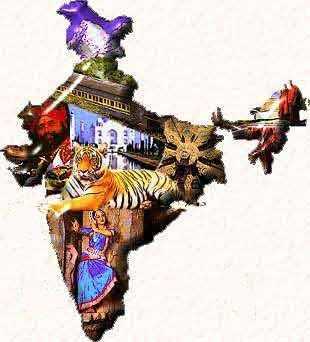
When one talks of Indian culture, it is essential to throw light on the dance and music of the country. The concepts of ‘nritya’ and ‘sangeet’, i.e., dance and music respectively, have been a part of Indian culture throughout time.

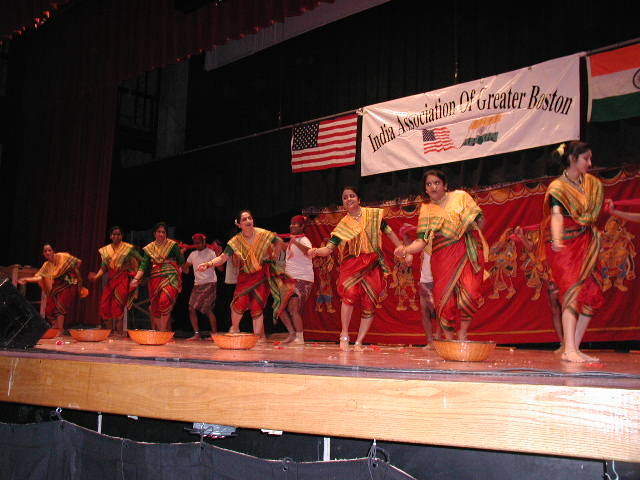
Indian dances are segregated into classical and folk. Though there are umpteen folk dances, coming from various parts of the country, there are few main classical dances. The classical dance forms come from different states; Bharatnatyam (Tamil Nadu), Kuchipudi (Andhra Pradesh), Kathak (Uttar Pradesh), Doisy (Orissa), Kathakali (Kerela) and Manipuri (Manipur).

Apart from the classical dances, there are folk dances which not only belong to different states, but often are different in different districts as well. Just like dialects of a language, these dance forms have developed over a period of time.

With dance comes music. Classical music is segregated into north Indian classical and south Indian classical. Folk music has more life, it tells a story. Folk music and dance goes hand in hand mostly at the time of particular festivals, like the ‘bihu’ dance in Assam is performed at the time of the Bihu festival. In the same way, people dance to the beats of ‘bhangra’ in Punjab at the time of Baisakhi.

The best thing about the dance and music of this country is that it promotes a sense of festivity, and joy. Stories can be told not only through the lyrics of music, but also through the expressions of dance. Artists have found a way to express themselves through this part of our culture, and it is something to be truly proud of!

Know more about languages and culture. Click here to enroll at SIFIL!

Thursday, May 19, 2011

Yummy in your tummy!


A new place means a new cuisine, no?

But it is hardly like that these days. Of course, the authenticity of a country’s cuisine comes only when you’re having their food in their country. Pizzas are better eaten in Italy, and tacos are best enjoyed in Mexico, but that said, most countries have gone the multi-cuisine way and serve food from all over the world.
Pune for instance has restaurants which are dedicated to serving foreign cuisines. One will find Italian, Thai, Greek, Chinese, Mexican, and also multi-cuisine restaurants. Not only does Pune see restaurants serving food from other countries, but also, it has some excellent places serving food from other states. North Indian and South Indian food is served at large, and if provided you know the right place, the food is brilliant.

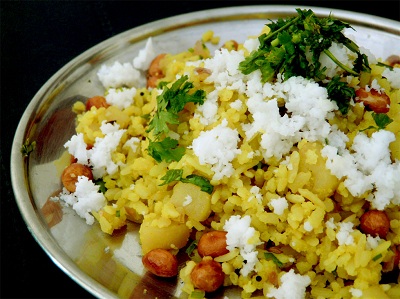
The best way to learn about a country is to immerse yourself in its culture, music, history, art and most importantly, its cuisine. If you ever stepped into a traditional Maharashtrian household, you will be served the ‘kanda poha’ with tea. North Indians will make sure you’re stuffed with two bites of their ‘samosas’, and they’ll make it a point to hold you down for dinner too (let’s just say, they are generous with the quantities they serve). A south Indian house hold cannot welcome you without steamy ‘idlis’ and ‘chuttney’. In the far out east, the Bengalis quite enjoy treating their fish as the part of a vegetarian meal. They are also known for their delicious sweets.

Imagine having all these delicacies in one city. Did you think of Pune? Once in Pune, you need not travel all around the country to try out the dishes they serve. You’ll get it all, right here.
So, come take a bite of exquisite Indian and international cuisines here in Pune!

Click here to enroll at SIFIL while you indulge in mouth watering delicacies from all over India!

Sunday, May 15, 2011

Re-acquaintance: The Western Culture, the Indian Style

India has always been under the influence of foreign nations. This could be meant in the literal sense from the time of independence, to a more superficial sense today, when India’s generation next is influenced by the way they dress, their lifestyle, or even their appreciation for more diverse cuisine.

The youth is of course highly influenced by the foreign culture. But by what are they influenced exactly?
If one is to look at the surface of it, the clothes, the music and the food is what one would notice. The dressing sense is getting more and more westernized. The music has gone from Bollywood music, to exploring rap, jazz, hip-hop and pop. Food is one of the older influences that countries have on each other. India serves food from Italy, Thailand, Mexico, China, and so many more countries. On a global perspective, Indian culture seems to have left a mark on other countries too. They’ve got out spices, yoga, and cuisine. Even Indian dances have become very popular abroad! Sports and entertainment too have always played a pivotal role in this globalised India.

A development however, is that through the Indian culture spreading rapidly in foreign countries, the youth is getting re-acquainted with these Indian ways. Is that really the ideal way to get through to the youth? No. Is it the worst way? Definitely not! In fact, it’s probably the most efficient way to get them to get back in touch with what they seem to have forgotten. More and more people are turning to Indian cuisine, because it’s been now known to have all the nutrients on the food pyramid. They are looking to take up Indian dance and music, because the rhythms are actually known to be healthy. These changes would not have come about with parents and grandparents trying to keep children aware of their roots. If they are under the foreign influence, and the foreign influence now means, just Indian culture with a wee bit of a foreign touch, it’s completely healthy. And the only foreign influence that comes to the more sensible youth is a kind of smartness in their approach to career and lifestyle, and this change is in good taste.

This shadow of foreign culture has a cons list too, but the pace at which the world is progressing; the cons can be sidelined at the moment. What one needs to ensure is that the pros are altered to a more Indian touch.
All in all, globalization in any form is only a plus point!

Also find out the roll languages play! Enroll with ELTIS-SIFILs language course today!

Monday, January 24, 2011

Guten Appetit!

Germany is known as das Land der Dichter und Denker which means the land of the poets and the thinkers. Cinema, poetry and philosophy is held in really high regard when it comes to German culture.

The Germans take a lot of pride in their homes and family and only invite those that are really close friends or relatives to their home. In fact, most shops and stores and shut over the weekend in Germany, so that the workers can be with their families. German culture boasts of a number of great figures in history that have contributed immensely to their culture. Goethe, Mozart , Beethoven and Einstein just about scrape the tip of the iceberg. This culture has so much more to offer.

The Germans are more of debaters rather than the contrary belief of them being too stereotypically stubborn. They love debating and arguing over things they don’t agree with and don’t find logic in.
The Germans are aware that their language is rapidly changing. Germany, like english, too absorbs a lot of things from different languages.

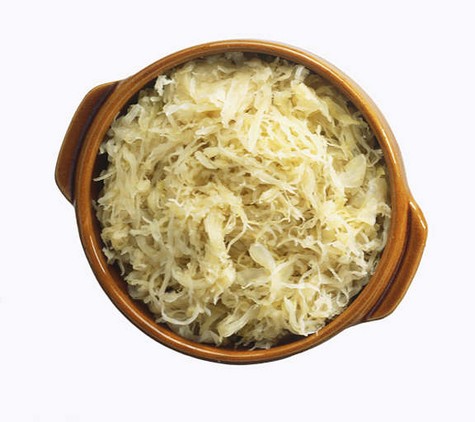
We all know that German cuisine would be incomplete without the sausages. Other than that, the most popular German dishes are Currywurst –which is a large fried or grilled sausage which is smothered with ketchup and curry powder and served with french fries.Königsberger Klopse is meatballs in a white sauce. Sauerbraten is a beef pot roast that has been marinated in vinegar, water and spices. Lastly, one of the most famous German dishes is Sauerkraut which is shredded and pickled cabbage.

Beer is considered to be the most popular drink all throughout Germany.

Enroll yourself for German classes at SIFIL-ELTIS for a slice of Deutschland!

Friday, January 21, 2011

रूचकर जेवण!

The state of Maharashtra is synonymous with a lot of different colourful cultural costumes, a variety of cuisines, dance forms and music. Men in Maharashtra are traditionally known to wear a dhoti  and the women traditionally wear a saree and a choli.

The various famous dance forms are Lavani and Koli which are rhythmic dance movements accompanied by beautiful mesmerising music. The other kinds of dance forms show of the culture by telling stories through dance. The dance form of Povda, is a form of dance that speaks through movement – the achievements of Chhatrapati Shivaji. The various other dance forms are danced to show respect to different gods
.
The music in Maharashtra would be incomplete without Natya Sangeet. It is classical and semi-classical music and literally means “dramatic music”. Maharashtra is also known for its folk songs and poems. A town in the Sangli district – Miraj – is known as the “town of music” as the sitar was made in this town.

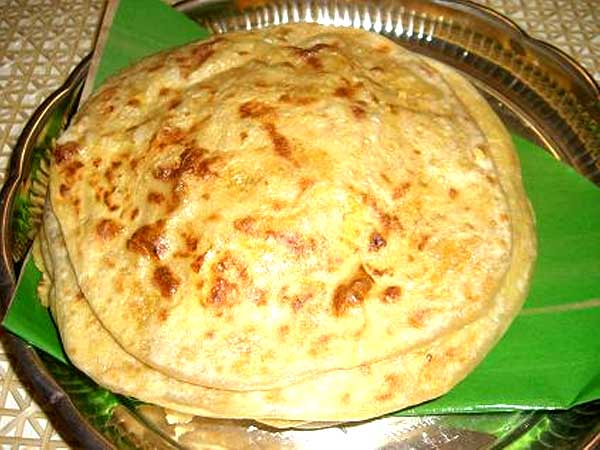
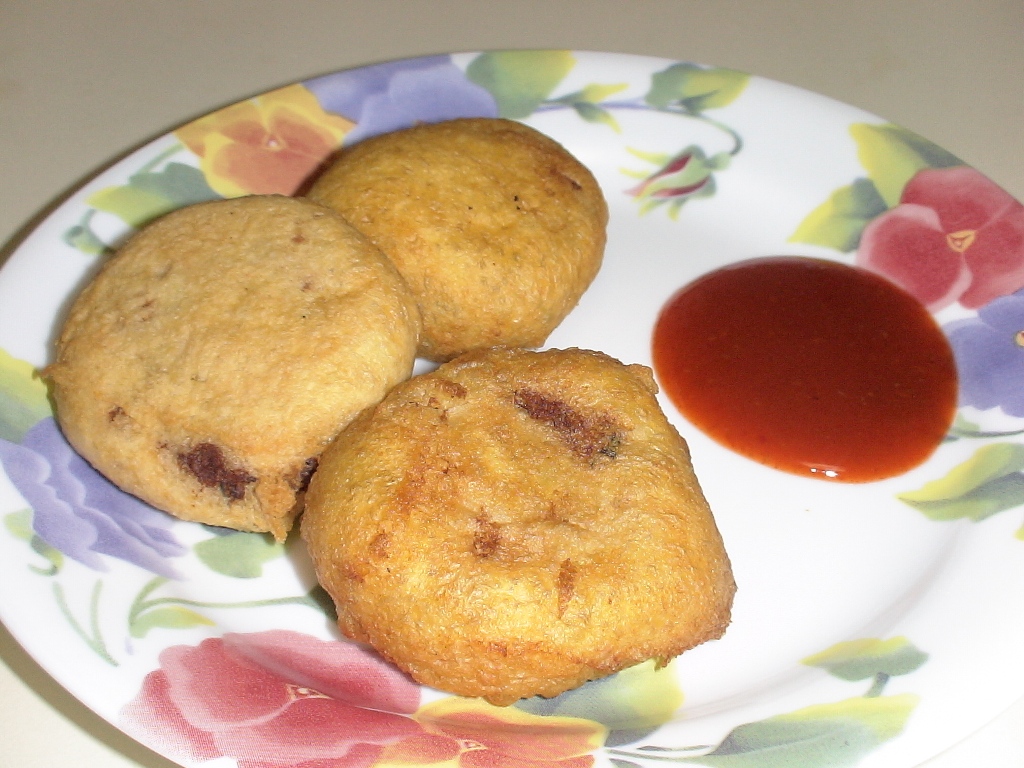
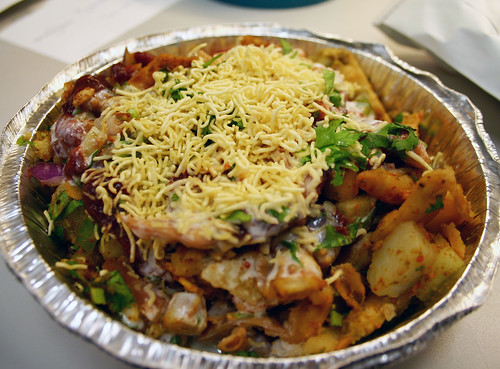
Maharashtrian food comprises of Konkani and Varhadi cuisine. The Varhadi cuisine is focused on central Maharashtra. The most famous dishes include puran poli – which is a chapati which has been stuffed with boiled chickpeas, jaggery and cardomom. Modak is a sweet dumpling filled with jaggery and coconut and Batata vadas are equivalent to potato fritters. Of course, who can forget the famous chaat that Maharashtra is known for. The others are sabudana khichdi, poha and shrikhand.

Tickle your taste buds with authentic Maharashtrian food after an insightful Marathi language class at SIFIL-ELTIS.

Wednesday, January 19, 2011

Bom apetite!

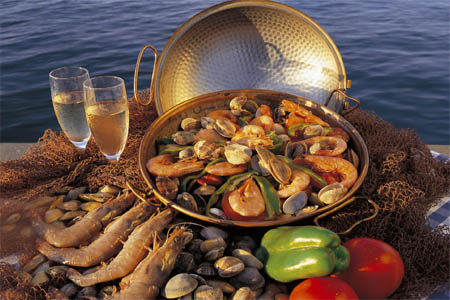
A Portuguese menu comprises mostly of seafood and shellfish due to Portugal being a country that practices fishing on a large scale. The national dish of Portugal is Bacalhau which is the cod fish after being dried and salted. The Portuguese are immensely fond of cinnamon and curry powder! The history behind bacalhau is quite interesting. Fisherman used to dry their fish and then salt it so that it doesn’t go bad and lasts much longer. Bacalhau can be cooked in 365 ways! A new kind for everyday of the year. That is a lot of fish in one year!

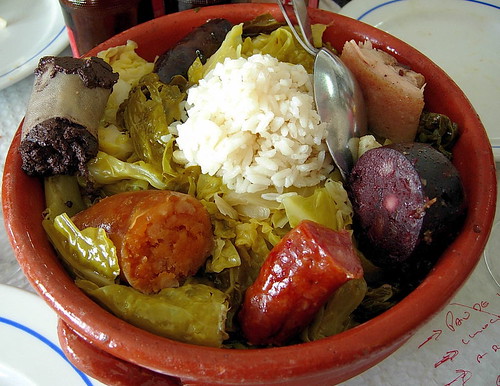
Arroz de marisco is also another popular seafood dish which comprises of a heavy dose of seafood mixed with rice. Cozido à portuguesa is a national dish that is prepared with various varieties of meat and a lot of vegetables and made into a thick stew.

A famous ceremony seen in most households is the killing of the pig and then preserving it. It involves, smoking the ham, preserving various part of the pig in salt.

Lunch, is a bigger affair in Portugal in comparison to dinner. People spend over two hours at lunch and people eat at leisure. Caldo Verde is another famous soup which comprises of potato, cabbage and pieces of sausage.

For those with a sweet tooth, the regular desserts are cinnamon flavoured rice pudding, flan, caramel custard and certain kinds of cheese – the most famous being queijo da serra which is prepared from sheep or goat’s milk. Portugal is also known for its world class pastries. These patisseries were opened by nuns who run them to have a source of income. Pastel de nata is a famous dessert which is custard sprinkled with cinnamon.
Portuguese bread is delicious! Always try the bread placed on the table of a Portuguese restaurant!

All this food talk has made me really hungry! Both for the knowledge of the language and the cuisine!
Enroll yourself at ELTIS-SIFL’s for their Portuguese classes today and take some Portugal tradition back with you!

Português

Portugal
Capital – Lisbon
Population - 11,317,192
Currency - € Euro
Religion – Christianity

Portuguese is widely spoken in both Brazil and Portugal. It is the fourth most learned language in the world! Most of Portuguese vocabulary has been got from Latin. However, here is a little trivia I’m pretty sure not many of you know – between the 9th to 13th centuries, approximately 800 words in the Portuguese language were taken from Arabic! This, continued on and a lot more words were borrowed from various other languages.

Portugal is known for its medieval castles and fort ruins that date back all the way to Roman occupation. The Portuguese are very family oriented people and familial matters always triumph over any other. They are very particular and meticulous when it comes to appearances. Your character is judged largely on the way you dress and present yourself. Thus, when in Portugal, clean up nice and good. You’ll surely create an impression!

Etiquette also plays a huge role when it comes to Portuguese culture. A standard way of greeting once you have been well acquainted with someone would be two kisses on each cheek starting from the right. This gesture is often seen as something only high profile celebrities do when they come on talk shows. However, in Europe, it is the socially accepted norm to do so! They also do not get on a first name basis with people unless they have been invited to that person’s home.

One of the most famous pieces in Portuguese literature which has been nationally recognized is Os Lusíadas – a poem about the travels of Vasco da Gama by Luís de Camões.

Portuguese classes are being conducted at SIFL-ELTIS. Along with the courses, there are also cultural experts that often come and give speeches and give you a detailed glimpse into the culture and tradition of Portugal. These sessions help you create a closer bond with the language.

¡buen provecho!

Since Spain is surrounded by beaches on all sides, Spanish food comprises of a lot of seafood. Olive oil and garlic also have very strong influences in Spanish cuisine.

The most well known Spanish dishes are Paella, Spanish omelet and Gazpacho. In Spain, food is seen as a way of re-uniting and connecting with families and loved ones. As opposed to most countries, the Spanish have dinner very late. Most restaurants and families set their dinner table only after 9pm! This will be a very useful tip if you decide to visit Spain.

Eating late has become a norm for Spaniards due to the very famous tradition of eating in the evening – Tapas. In comparison to other European countries, the Spanish rarely eat salads. They use a potatoes, beans and mushrooms in large quantities in most dishes.

Sangria is a popular refreshing drink that is highly popular in a number of places. It is a mixture of red wine and a fresh fruit punch.

In the spirit of embracing the Spanish language, you can take it further by learning Spanish forms of dance! Salsa is gaining a lot of popularity among people. Not only is it fun, but also a great way to stay in shape!

ELTIS-SIFL starts Spanish classes on the 22nd of February, 2011. They also conduct Project Displays which help the student research and educate others on the culture and traditions in Spain. Dance your way into them!